Starting in December 2015, New York City’s health department began sending people with fake fevers into its own emergency rooms. Over six months, evaluators ran 95 unannounced drills across 49 emergency departments. Each simulated patient carried a story pointing to measles or MERS: a fever and a rash after a trip to Europe, or a fever with respiratory symptoms after travel to the Middle East. The front desk had no idea it was a test. Both of those diseases came in by airplane, which made the decisive question at triage where the patient had been, and staff asked it 85 percent of the time. Patients ended up masked and isolated in 78 percent of drills, and the median time to a mask was 1.5 minutes.
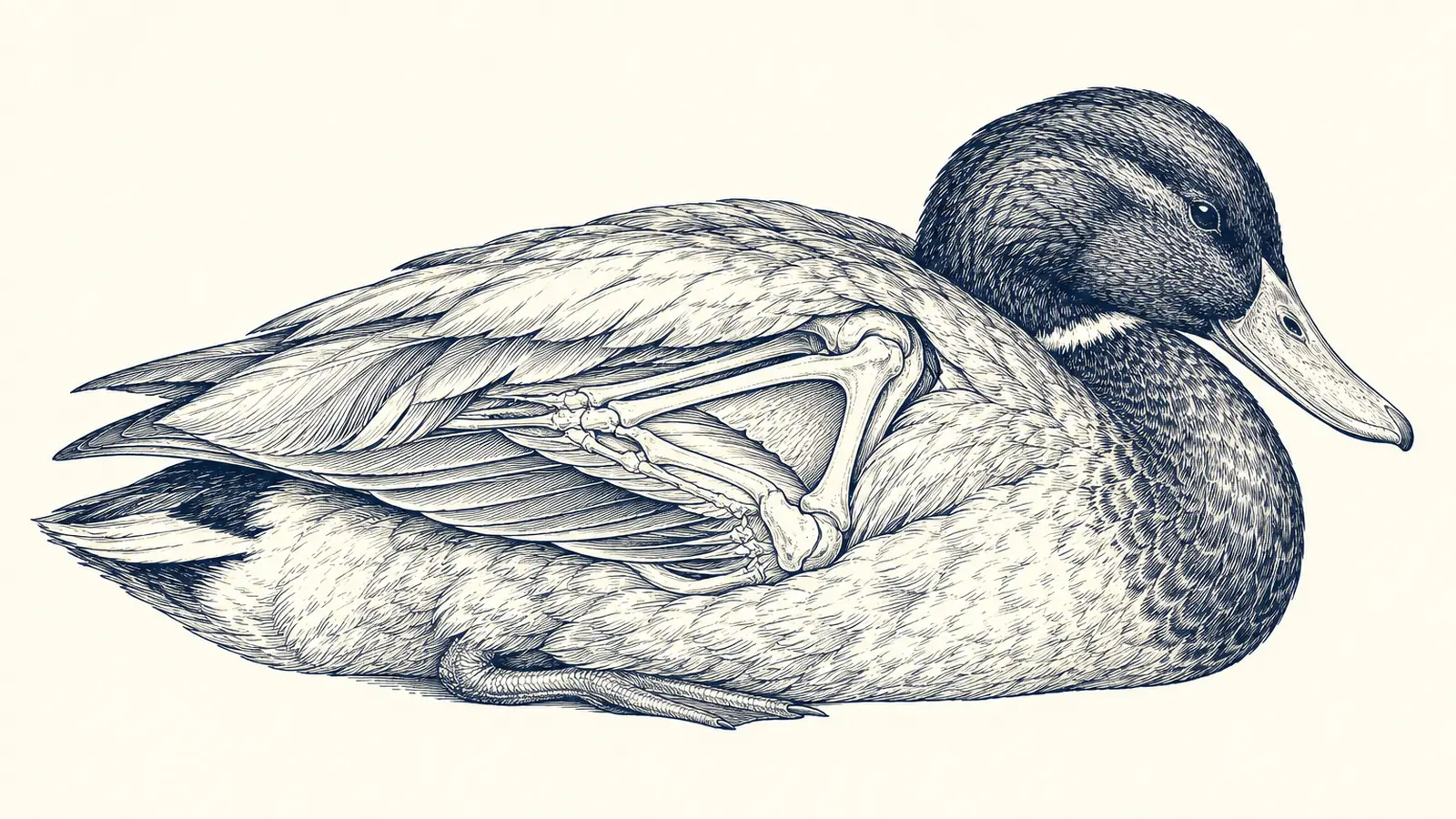
Ten years later the city’s health department and its partners ran the experiment again, this time with bird flu, and the results published October 1 in CDC’s MMWR suggest the front door learned the 2016 lesson and stopped there. Between January and June, teams in New York, New Jersey and the U.S. Virgin Islands sent actors from the NYU Standardized Patient Program into 69 facilities for 73 unannounced drills: 42 emergency departments, 19 hospital outpatient clinics and 12 urgent care centers. Each actor was in their twenties and arrived with pink eye that had started the morning before (faked with cosmetics, petroleum jelly and eye drops), plus a fever of 101°F, muscle aches and a cough. They reported no recent travel. The exposure was hidden in the backstory, and it only came out if someone asked about sick contacts. The actor’s answer was “Does a sick bird count?”, followed by the story of rescuing a sick duck in Central Park, handling it without gloves, and throwing the dead bird into a dumpster.
That design makes the screening numbers hard to read charitably. Front-line staff screened for symptoms in 93 percent of drills and asked about travel about 80 percent of the time, nearly the same rate as 2016. They screened for animal exposure at triage in 7 of 73 drills, or 9.6 percent. So in a scenario built with no travel at all, the desk kept asking the question that would have caught MERS and skipped the one that would have caught the duck. Clinicians did better once the actor reached one, asking about contact with sick or dead birds, livestock or other mammals 60.7 percent of the time. By then the patient had already spent time in a shared lobby. This virus is homegrown. CDC confirmed H5N1 in a person exposed to dairy cattle in the spring of 2024, and by that November 13 dairy workers in California had tested positive. Asking about travel was the right instinct in the MERS era, and it’s the wrong one for this outbreak.
The two drill programs, a decade apart, can be compared directly, and the comparison does the hospitals no favors. In 2016, patients were both masked and isolated in 78 percent of drills. In 2026 that happened in 44 of 73, or 60 percent. In the new round, masking took a median of 2 minutes against a 1-minute target, and only 43 percent of timed drills hit it. Isolation took a median of 11 minutes against a target of 10 minutes, and fewer than half of the drills that reached isolation made it in time. Some of the gap reflects the broader mix of settings, since urgent care centers took a median of five minutes to mask and outpatient clinics a median of 20 minutes to isolate. But the emergency departments, the closest match to the 2016 drills, were still slower on both clocks: 2.0 minutes to masking against 1.5, and 9.5 minutes to isolation against 8.5.
| Measure | Value |
|---|---|
| median among drills that reached isolation | 11 minutes |
| drill target | 10 minutes |
Part of the explanation is who answers the door. In 51 of the 73 drills, the first person to see the “patient” was a security guard, receptionist or registrar, not a nurse or physician, and the report notes that infection control training for them was not required. Clinicians didn’t make up the difference. They wore every recommended piece of protective equipment in a quarter of encounters, wore none in about 6 percent, and cleaned their hands in fewer than a third. The internal infection prevention team was notified, or scheduled to be, in 55 percent of drills, and the patient was correctly flagged as an avian flu risk 63 percent of the time. A system that had absorbed the lessons of the last five years would post better numbers than these. This one seems to have written the lessons down and filed them.
The report’s own summary describes the drills as “a learning opportunity for staff members,” and its authors call for role-specific, competency-based training that reaches the people at the desk. That’s fair as far as it goes. Still, the public health apparatus that spent the COVID years telling Americans how to work, travel and breathe has now graded its own front door, with authors funded by the city health department and federal preparedness grants, and the grade is worse than it was ten years ago, before the pandemic it claims to have learned from. Every number in the report comes from the institutions themselves.
The limitations are fair, and they cut both ways. Fifty-two of the 73 drills ran in New York City, Puerto Rico did not participate, and not every regional hospital signed on, so the percentages describe these facilities rather than the whole country. Some staff may have realized a drill was underway, which would flatter the scores. A dab of petroleum jelly is a poor imitation of conjunctivitis, which might have dulled suspicion. Even with those flaws, the breakdowns kept turning up in the same place: an untrained desk and an exposure question nobody asked, which is exactly where a true introduction would get through.
That introduction isn’t a thought experiment anymore. Researchers warn that even H5 strains dismissed as minor carry pandemic potential, and in November 2025 a Washington resident with a mixed backyard flock became the first confirmed human H5N5 case anywhere in the world, and died. We’ve seen how these outbreaks start. The first case shows up at an ordinary front desk, coughing, with a red eye and a story about a bird that nobody asks to hear.
What comes next depends on two things. One is whether CDC’s call for expedited influenza subtyping in hospitalized patients actually shortens the time from a sick patient to a confirmed H5 result. The other is whether the New York City health department, which ran these drills, sends the actors back with the same duck story next year and publishes the animal-exposure screening rate. If that 9.6 percent hasn’t moved, we’ll know the training call went the way the 2016 lessons did.
Sources
- MMWR, October 1, 2026: Unannounced Drills Using Patient Actors to Evaluate Health Care Facility Readiness
- MMWR, 2017: Mystery Patient Drills in New York City Emergency Departments, 2016
- JAMA (2024): CDC: H5N1 Bird Flu Confirmed in Person Exposed to Cattle
- JAMA (2024): CDC Reports 13 Dairy Farm Workers Infected With Bird Flu in California
- Nature (2025): This ‘minor’ bird flu strain has potential to spark human pandemic
- Axios (Nov 2025): First global H5N5 death confirmed in Washington
- JAMA (2025): CDC Advises Expedited Influenza Subtyping in Hospitalized Patients to Help Identify Bird Flu Cases Sooner