The mice in this experiment were dying of their own immune systems, and the thing that pulled them back was not a calmer immune system. It was their kidneys. I read that sentence twice, because it is not how this story is supposed to end.
The dangerous signal was not blocked or suppressed. It was drained.
When an infection tips into something lethal, the killer is often not the microbe. It is the body’s own response to it, a flood of pro-inflammatory cytokines that wrecks healthy tissue, breaks down the blood-brain barrier, and drives the whole system into wasting and collapse. The standard move is to grab the immune system and turn the dial down. That is a blunt and dangerous trade, because the same inflammation you are trying to quiet is also what is killing the invader. Tamp it down too far and the infection wins.
So when Janelle Ayres’s lab at the Salk Institute reported in Cell Metabolism that one dietary amino acid protected mice from deadly inflammation without touching their ability to kill the bug, I went looking for the catch. What I found was a much stranger piece of biology than I expected, and the strange part is anatomical.
The organ nobody was watching
The team infected mice with Yersinia pseudotuberculosis, a bacterium nasty enough to drive systemic, often-fatal inflammation, and noticed that the sickest animals showed shifts in the amino acids circulating in their blood. So they ran the obvious follow-up: feed the mice more of one of those amino acids and watch what happens. The one that mattered was methionine. Mice on a methionine-supplemented diet were spared the wasting, the blood-brain barrier damage, and the death that hit their untreated cage-mates, and here is what stopped me: those same mice still fought off and killed the bacteria normally. Methionine did not sedate the immune response. It did something cleverer.
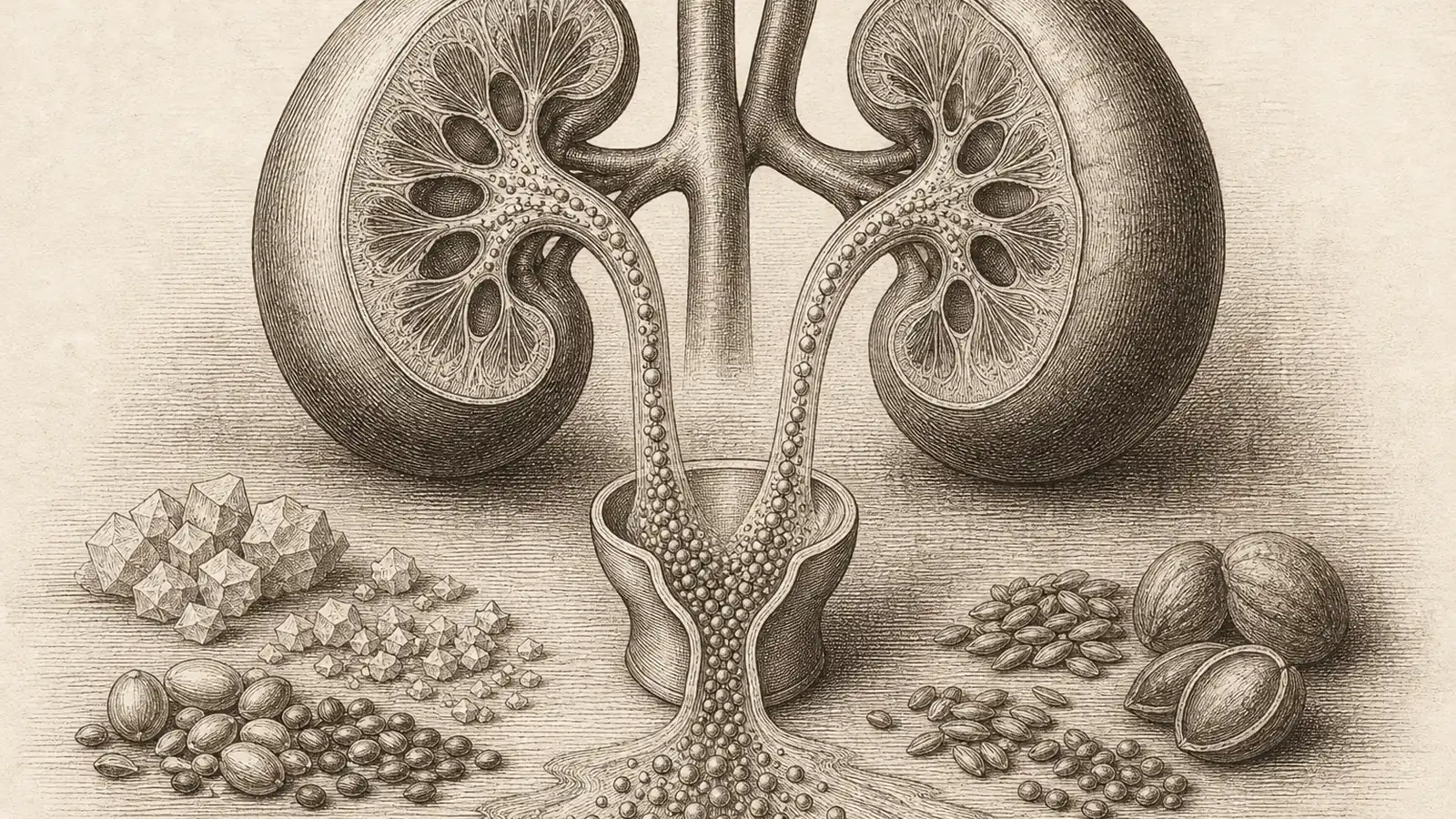
It worked through the kidneys. Methionine increased the kidneys’ filtration capacity and improved blood flow, so the body simply excreted the excess pro-inflammatory cytokines in the urine. The dangerous signal was not blocked or suppressed. It was drained.
“Pro-inflammatory cytokines are ultimately what leads to sickness and death in a lot of cases,” said first author Katia Troha. “The immune system has to balance inflammation to attack the invader without harming healthy cells in the body.” This study describes the body finding that balance not by fighting less, but by clearing faster. And it was not a one-off: when the team moved to separate models of sepsis and of kidney injury, methionine protected the mice again. That repetition across very different insults is what makes the kidney-clearance idea look like a mechanism rather than a fluke of one infection.
Why I’m still not buying methionine
Now sit with the contradiction, because it is a sharp one. Methionine is the amino acid that longevity researchers spend their careers telling you to eat less of. Methionine restriction is one of the most reproducible lifespan-extending interventions we have, working across worms, flies, and rodents, and it does its work by lowering IGF-1 signaling and reducing oxidative damage, the same metabolic levers we associate with eating less and aging slower. Cut methionine for the long game, and the biology rewards you.
These mice got more of it, in an acute crisis, and it saved them. Both things can be true, because the timescale and the problem are completely different. A slow-burn longevity strategy and a you-might-die-this-week rescue are not the same question, and methionine does not have to answer them the same way. What this absolutely is not is a green light to take more methionine because it is “good for you.” Acute rescue in a mouse is not chronic supplementation in a human, and the doses these mice received were tuned to a specific emergency.
Ayres said it flatly: efficacy in humans has not been tested, and “nobody should be rushing out for methionine supplements quite yet.” This is a mouse study. The distance between a rescued mouse and a rescued sepsis patient in an ICU is wide, and the road is littered with promising compounds that never made the crossing.
Cheap, unpatentable, and easy to ignore
If this does hold up, the people it could matter for most are not the worried-well chasing a supplement trend. They are the patients whose kidneys are already the bottleneck: sepsis cases, acute kidney injury, dialysis patients whose cytokine clearance is compromised by definition. Push renal filtration to do more of the anti-inflammatory work, and you sidestep the central trap of immunosuppressants, which is that quieting inflammation usually means weakening a defense the patient still needs.
And here is the part that fits everything we know about how medicine gets funded. Methionine is a cheap, off-patent amino acid. This work ran on public and foundation money, the NIH, the Howard Hughes Medical Institute, the Keck and NOMIS foundations, the Lowry Medical Research Institute, not a pharmaceutical pipeline. Nobody owns a nutrient, which means nobody has a billion-dollar reason to bankroll the expensive human trials that would tell us whether this translates. That is exactly the kind of mechanistically-grounded, dirt-cheap idea that tends to stall, not because the biology is weak but because the economics are. Ayres frames the work as evidence that “common dietary elements can be used as medicine.” The pathway behind it is what makes that more than a slogan.
So here is where I land. I am not changing what is on my plate over a mouse study, and you shouldn’t either. But the finding underneath the headline, that the kidney is an active, tunable regulator of how much inflammation your body has to tolerate rather than a passive filter sitting downstream of the real action, is the kind of mechanism that reorganizes how you think about a whole category of disease. I believe that part. What I will be watching is whether anyone with the funding to test it in humans actually does, or whether a promising, unpatentable idea quietly runs out of road.
Sources
- Cell Metabolism – Troha, Ayres, et al., methionine and renal clearance of cytokines (2026)
- Salk Institute – “Could a dietary supplement make the difference between life and death during illness?” (2026)
- ScienceDaily – “This common amino acid helped mice survive deadly inflammation” (2026)
- MedicalXpress – “Dietary supplement may protect against inflammation-related injury and death by enhancing kidney function” (2026)
- PMC review – methionine restriction and lifespan control (Parkhitko et al.)